
Staging Occupied or Rental Homes? Rental-Safe Decorative Film Ideas for Cabinets, Doors, and Appliances
- Giwett

- Dec 16
- 4 min read
Occupied staging is a “no-disruption” project, not a renovation
If the home is lived-in, the upgrade has to be invisible: no dust, no odor, no downtime—and no contractor parade that frustrates tenants or sellers. Yet listings still lose momentum when photos reveal the classic “dated rental” surfaces: orange-gloss doors, yellowed cabinet faces, scratched appliance fronts, and mismatched finishes. Buyers forgive furniture; they don’t forgive surfaces that look permanently old. And the question from landlords and tenants isn’t “Will it look good?”—it’s “Will it come off cleanly without damage or residue?” That’s why more stagers, agents, and property managers rely on rental-safe decorative film (also searched as removable decorative film, temporary surface film, and peel and stick wallpaper for cabinets) to create fast, reversible upgrades that photograph like a renovation—without the disruption.
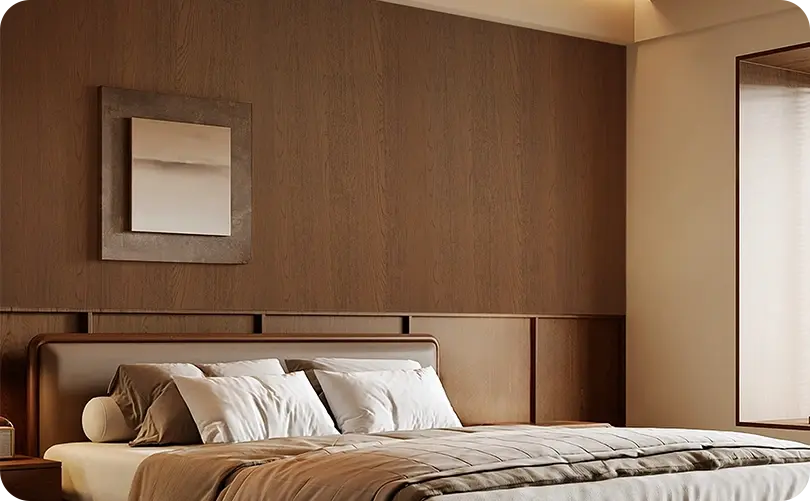
What “rental-safe decorative film” really means
“Rental-safe” should be treated as a performance standard—not a marketing phrase. In professional staging and rental turnover work, the film must balance three real-world requirements:
Looks premium on camera: matte and low-sheen finishes reduce glare and hide minor surface flaws.
Holds up during use: resists bubbling, edge lift, and seam opening during showings or tenant life.
Removes predictably: peels cleanly when removed correctly, reducing deposit disputes and paint damage risk.

The three tests a film must pass
Bond stability (during use): edges stay flat; corners don’t curl.
Surface compatibility (before install): performs on common substrates like sealed wood, laminate, melamine, painted MDF, and coated metal.
Clean removability (during removal): comes off with a controlled peel—often helped by gentle heat—without tearing or heavy residue.
The top risk factors pros check first
Fresh paint: “dry” is not “cured.” Uncured paint is a major paint-pull risk.
Grease and silicone: kitchens and sink areas fail early if not properly degreased.
Texture + chalky paint: reduces adhesion and increases lifting/bubbling.
Heat and moisture zones: near dishwashers/ovens and wet vanity edges can increase edge lift.
Failing substrates: lifting laminate edges or swollen MDF will show through and won’t hold well.
Pro rule: do a small test patch for 24–48 hours on the exact surface before wrapping a full kitchen or multiple doors.
The “three dated surfaces” that matter most
Most rentals and occupied listings share the same visual bottlenecks. Fix these three and the home reads “updated,” even without changing layout or furniture.

1) Cabinets: the biggest photo ROI per hour
Cabinet faces dominate kitchen photos. When they skew honey/orange, they make the entire room look yellow—even after deep cleaning. A matte cabinet wrap (search terms: cabinet wrap film, peel and stick wallpaper for cabinets) modernizes the largest visible color mass in the space, often in a single day.
Example: A tenant-occupied unit can’t be painted. Wrapping only the cabinet fronts in matte white (plus hardware swap if allowed) turns “dated rental kitchen” into “clean, modern listing photo” with minimal disruption.
2) Doors: the “rental tell” in hallways and bedrooms
Hallway photos often show multiple doors at once. If doors are glossy faux wood or inconsistent tones, the listing looks cheap. A consistent door film / door wrap in walnut woodgrain, warm oak, matte black, or soft gray creates instant cohesion—without replacing slabs and frames.
Example: Wrapping just the door slabs (not the frame) in a unified woodgrain can dramatically elevate the “walk-through” impression in listing photos.
3) Appliances: the scratch magnet that breaks the “clean” story
A scratched fridge front or mismatched dishwasher panel can visually drag down an otherwise refreshed kitchen. A simple appliance wrap (brushed metal or matte black) hides wear and unifies finishes—especially in smaller kitchens where appliances occupy a large portion of the frame.

Selection table: what to wrap, what photographs best, and what to avoid
Use this as a decision tool for temporary surface film projects where speed and removability matter.
Surface | Best staging outcome | Photo-friendly finishes | Common substrates | Risk level | Pro notes (rental-safe) |
Cabinet fronts (flat faces) | Bright, modern kitchen fast | Matte white, soft greige, light oak, linen texture | Melamine, laminate, sealed wood, painted MDF | Low–Med | Degrease twice; wrap edges slightly; align grain direction across doors |
Interior door slabs | Remove glossy “rental door” vibe | Walnut woodgrain, warm oak, matte black/gray | Painted doors, veneer, MDF skins | Med | Keep seams minimal; standardize all doors for cohesion; avoid deep grooves first |
Appliance fronts | Hide scratches, unify finishes | Brushed metal, matte black, clean white | Painted/powder-coated metal panels | Med–High | Avoid vents/labels; beware textured coatings; plan seams where cameras won’t linger |
Vanity fronts (optional) | Quick bath refresh | Stone look, matte neutral, subtle wood | Laminate, painted MDF | Med–High | Keep edges away from standing water; corners need extra attention |
Closet/laundry doors | Low-risk “clean + bright” upgrade | Matte white, light wood, smooth gray | Painted MDF, hollow-core skins | Low | Great test surface in occupied homes; easiest execution |
For occupied staging and rentals, the goal isn’t a perfect renovation—it’s repeatable, low-risk visual impact that holds up through showings and removes cleanly afterward. Start with the three surfaces that most often shout “dated rental”: cabinet fronts, door slabs, and appliance faces. Then standardize a small kit you can deploy across properties:
2 cabinet neutrals: matte white + light oak
2 door finishes: walnut + warm oak (or matte black + warm oak)
1 appliance finish: brushed metal or matte black

How to choose a supplier
Look for:
Stable color/texture consistency across batches (critical for multi-door and multi-unit projects)
Fast sampling for approvals
Clear substrate guidance (what works on laminate/melamine/painted MDF/metal)
B2B reliability (lead times, packaging, reorder stability)
If you’re sourcing for stagers, property portfolios, contractors, or distributors, Runp is a strong fit when you need a supplier built for professional workflows—fast samples, consistent reorderable finishes, and scalable B2B supply. (This guide is written to help you choose the right system for your surfaces and timelines.)
Want a faster start? Send your target surfaces (cabinet type, door material, appliance finish) and your desired look (matte white / oak / walnut / black). We’ll recommend a tight “stager kit” palette optimized for listing photos, low disruption, and cleaner removal.
Ready to test lamination film on your next staging project?
👉 Get a free design consultation and sample recommendation within 48 hours.
Contact Today
📞 Phone / WhatsApp: +86 15738309271
Tell us your staging style, door quantity, and deadline—we’ll recommend the right wood, marble, metallic, soft-touch, or fabric-look films to turn your next listing into a “just renovated” showpiece.


Comments