
The Home Stager’s Secret Weapon: Woodgrain & Marble Decorative Films That Make Listing Photos Pop on a Budget
- Giwett

- Dec 15
- 8 min read
Why Great Styling Still Loses to Bad Doors
Even the best-curated furniture, rugs, and peel and stick wallpaper can’t fully save a listing if the doors scream “dated rental.” Home stagers know the usual villains:
Orange, high-gloss faux wood doors from the 1990s
Yellowed trims that make fresh paint look dirty
Hollow-core bedroom doors that photograph flat and cheap
Owners unwilling to replace anything right before selling
At the same time, staging does move the needle. According to data summarized from the National Association of REALTORS® home staging reports, many agents report that staging can boost offers by 1–5% over similar, unstaged homes, and more than half of buyers’ agents say staging changes how buyers view a property.(Designed to Appeal)
On a $450,000 home, even a 1–3% improvement in sale price ($4,500–$13,500) can more than cover a thoughtful staging budget. The question for home stagers isn’t “Does staging pay off?”—it’s “Where can I get the biggest visual impact per dollar and per hour?”
That’s where woodgrain and marble door film—also called self-adhesive door film, PVC door covering, or decorative door wrap—becomes a quiet but powerful secret weapon. Instead of replacing or repainting, you resurface the doors and key panels with peel-and-stick laminates that look like a renovation on camera, without the renovation cost.
Why Woodgrain & Marble Decorative Films Are a Smart Staging Investment
Exquisite, photo-ready design (especially on doors)
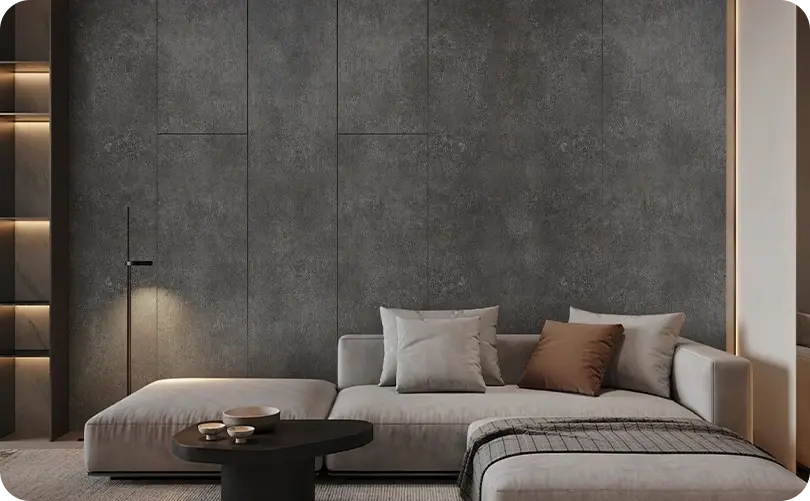
High-quality woodgrain decorative films imitate popular species like light oak, ash, and walnut with realistic grain, while marble decorative films deliver veining and depth that read beautifully in listing photos.
On doors, using self-adhesive door film lets you:
Give every interior door the same fresh wood tone instead of a jumble of finishes
Turn a plain hollow-core bedroom door into a “custom” wood panel in photos
Use marble-look film on an entry niche, bathroom door panel, or built-in for a subtle luxury cue
Coordinate with peel and stick wallpaper or murals so the entire space feels professionally designed
Wide application range: more than just doors
Even though our focus is doors, the same PVC door covering rolls can be used on:
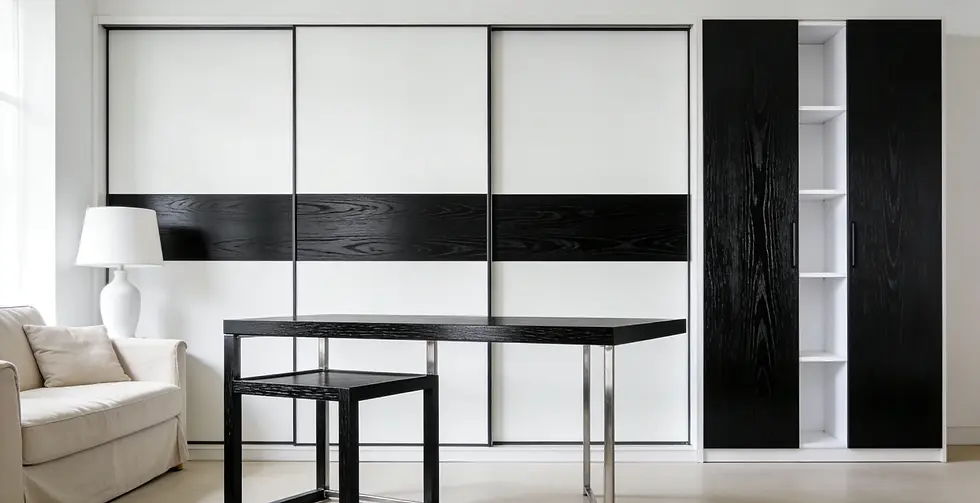
Wardrobe and closet doors
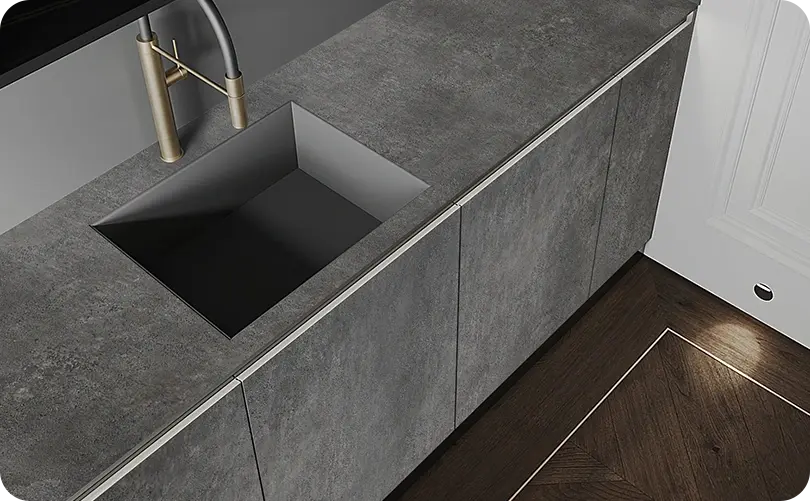
Bathroom vanity fronts and side panels
Kitchen island ends and peninsula backs
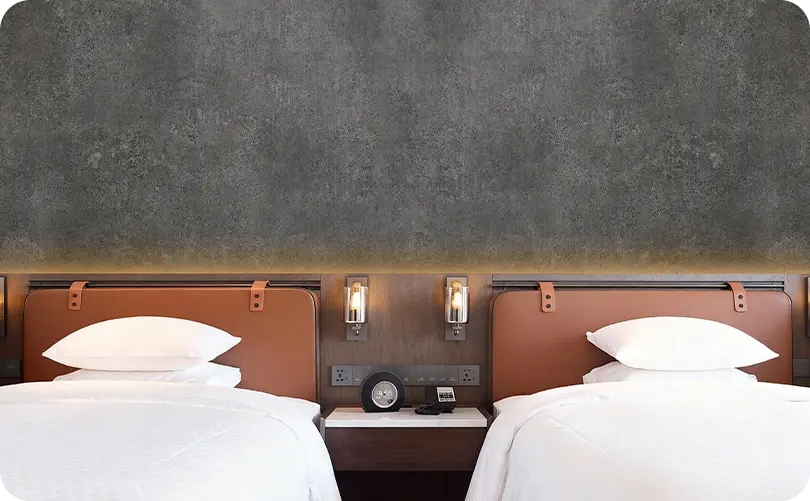
Feature wall panels, headboard walls, and TV walls
Sideboards, dressers, and nightstands
That means a single woodgrain or marble pattern can tie together doors, furniture, and focal walls, making the staging look cohesive in every shot.
Cost comparison: new doors vs paint vs door film
From a numbers perspective, decorative film is often the most budget-friendly way to upgrade a full set of doors. Here’s a simplified comparison using recent cost data from US home-improvement sources:
Option | Typical Cost per Interior Door (Materials + Labor) | Time Impact per Door | Notes |
New door (replace) | Avg. $362–$1,232, about $797 on average(Angi) | 0.5–1 day including fitting, trim, and touch-ups | Highest cost; waste disposal + possible reframing |
Professional painting | Approx. $158–$322 per door including labor & materials(Paint Smartly) | Multiple visits for prep + 2–3 coats + drying (often 1–2 days total)(Homewyse) | Good for color changes, less for heavy damage or fake woodgrain |
Door film / self-adhesive door wrap | Material typically $15–$80 + labor $30–$150 per door (≈ $45–$230 total)(阿德南绘画与装修) | Often ≈2 hours per interior door in practice(smart-home) | No drying time; peel-and-stick upgrade with minimal mess |
For an 8-door three-bedroom home, that implies:
Replacing doors: ± $6,300+
Professional painting: roughly $1,260–$2,580
Wrapping with door film: roughly $360–$1,840
The exact numbers will vary by region and contractor, but the pattern is consistent: door film sits between painting and full replacement in cost, while delivering a much bigger visual jump than paint alone.
Durability and lifespan
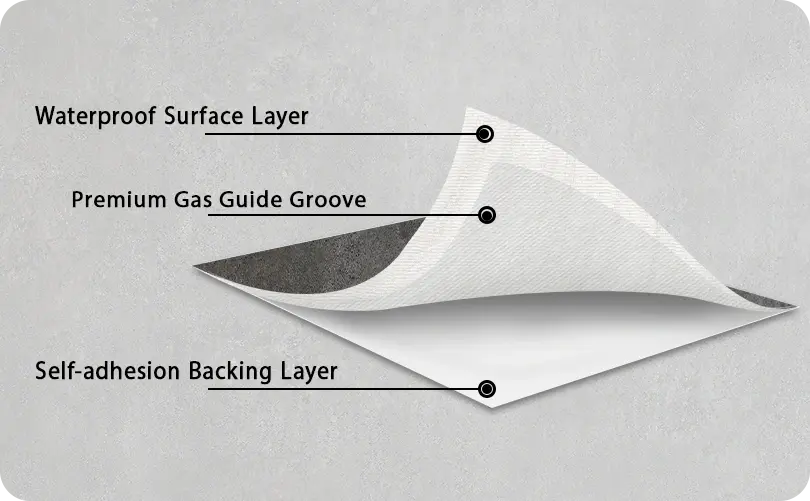
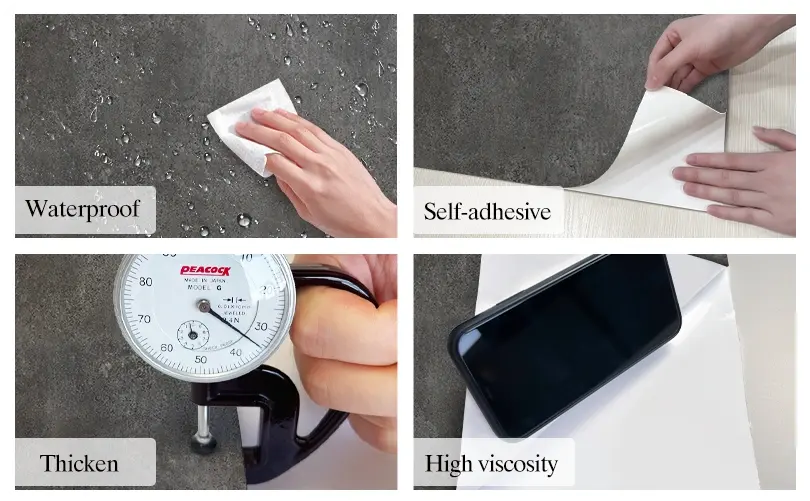
Good architectural-grade vinyl and PVC decorative film used as door covering is designed for daily wear:
Scratch- and chip-resistant
Easy to wipe clean (fingerprints, scuffs)
Many professional wrap guides estimate a lifespan of 5–10 years when quality material and proper installation are used, especially for kitchen and interior doors.(Checkatrade)
For home stagers, this is far beyond the typical staging window—but it’s a selling point for owners and investors who might keep the upgrade after the sale.
More sustainable than replacing everything
Instead of sending doors, panels, and cabinets to landfill, you keep the substrate and refresh only the surface with self-adhesive film. Vinyl and PVC films still have an environmental footprint, but compared to manufacturing, transporting, and installing entirely new doors, re-skin instead of replace is a more resource-efficient path.
Where Woodgrain & Marble Decorative Films Shine: A Home Stager’s Quick Guide
The table below keeps doors as the hero and shows how woodgrain & marble door film can expand into other surfaces to build a consistent story.
# | Surface / Area (Focus: Doors) | Common “Before” Problem | Result After Applying Woodgrain / Marble Decorative Film | Recommended Finish Ideas |
1 | Interior doors (main focus) | Orange oak, scratches, mixed door colors | Clean, modern, consistent door package in every room | Light oak woodgrain, white ash, warm beige woodgrain |
2 | Hallway & bedroom doors | Flat hollow-core doors look cheap in photos | Visual depth and texture that read like upgraded joinery | Subtle straight-grain wood, soft grey woodgrain |
3 | Closet & wardrobe doors | Mirrored or low-grade laminate doors | Built-in wardrobe look matching staged furniture | Fabric-look film, light walnut, matte marble accents |
4 | Entry door (covered) | Faded veneer, outdated stain | Strong first impression at the front of the listing | Dark walnut woodgrain, charcoal + marble inlay |
5 | Bathroom doors & vanities | Yellowed paint, chipped laminate | Spa-style doors and vanity fronts that match tiles | Soft-touch white woodgrain, light marble door film |
6 | Kitchen island sides & panels | Scuffed panels, mismatched finishes | “Custom” island that anchors the kitchen photos | Veined marble film on island; woodgrain on base cabinets |
7 | Feature walls & panels | Patchy paint or flat walls | Textured backdrop for bed, sofa, or TV | Vertical wood-slat-look film, large-scale marble wall |
8 | Built-in shelves & TV walls | Cheap melamine, mismatched furniture | Retail-style display that highlights décor items | Walnut woodgrain shelves, dark marble or wood backing |
9 | Sideboards, nightstands, dressers | Visible wear and mixed finishes | Cohesive “set” that looks curated and intentional | Same woodgrain as doors, marble top film on select pieces |
10 | Trims, casings & frames | Yellowed trim, inconsistent white paints | Clean lines that frame every room consistently | Matte white, black wood-look, or metal-effect PVC door covering |
Mini Case Study: Turning 8 Dated Doors into a Staging ROI
Property: 3-bedroom home, target price around $450,000Problem:
8 interior doors in orange oak veneer
White walls, nice furniture, but doors dragged every photo down
Seller refused full door replacement
Option 1 – Replace doors
Average cost per interior door install: ≈ $797(Angi)
For 8 doors: ≈ $6,376
Timeline: ordering, delivery, install, patching, repainting trims → easily a week+
Option 2 – Paint doors
Typical pro painting cost: $158–$322 per door including labor & materials(Paint Smartly)
For 8 doors: roughly $1,260–$2,580
Timeline: prep + 2–3 coats + drying → about 1–2 days with strong paint smell remaining
Option 3 – Wrap with woodgrain door film
Industry data for cabinet/door wrapping: materials $15–$80 + labor $30–$150 per door, or ± $45–$230 total per door depending on finish and complexity(阿德南绘画与装修)
For 8 flat-face interior doors: about $360–$1,840 all-in
Timeline: roughly a few hours per door, often finished in one working day for a small team(smart-home)
The stager chose Option 3 with a light oak woodgrain film:
Hallways and bedrooms now read as a coordinated, modern package in photos
Listing description can honestly mention “updated interior doors and built-ins” without structural work
Even a conservative 1–2% uplift in sale price on a $450,000 property ($4,500–$9,000)(Designed to Appeal) is several times the door-film investment
This is the kind of measurable, numbers-backed win that makes door film a true secret weapon in a home stager’s toolkit.
FAQ: Door Film, PVC Door Coverings & Home Staging
1. Can I use decorative film on the doors of a rental property?
Yes—self-adhesive door film and PVC door coverings are often ideal for rentals, as long as:
The existing door surface is sound (no severe swelling or structural damage).
The landlord approves surface upgrades.
You choose a film that can be removed with minimal residue if needed.
For long-term rentals, many owners keep the new finish because it helps justify higher rents and better listing photos. Always test removal on a small area and follow the manufacturer’s instructions.
2. How long does woodgrain film last on interior doors?
With quality material and proper installation, wood-effect vinyl and decorative film used on doors can last 5–10 years in typical residential conditions.(Checkatrade)
For home staging purposes, that’s far longer than the listing window—but it reassures sellers and investors that they’re not paying for a “one-season” cosmetic fix.
3. Will self-adhesive door film damage the door surface?
On smooth, properly cleaned doors, door film / PVC door covering typically acts like a removable skin:
It can conceal minor scratches and discoloration.
It should not damage a sound substrate if removed correctly (slow peeling, possible use of heat).
If a door already has peeling veneer, heavy swelling, or deep dents, the film will highlight those defects. In those cases, basic repairs or replacement might be better.
4. Is decorative film better than repainting for staging?
It depends on your goal:
Repainting is great for simple color changes on doors that already have good profiles.
Decorative door film does more than change color—it can add woodgrain, marble, or texture that looks like a higher-value door in photos, often with less mess and faster turnaround than multi-coat painting.
For high-impact areas like hallways, primary bedroom doors, and bathroom entries that appear in most listing photos, many stagers now treat decorative film as a “fast-track renovation” tool.
About This Guide & Who’s Behind It
This article was prepared by the Surface Solutions Team, which specializes in PVC decorative film, lamination film, and self-adhesive door film for doors, cabinets, and interior panels. Our team works with:
Door and WPC door factories supplying projects across North America and beyond
Interior contractors and home staging companies looking for fast, camera-ready upgrades
Project clients who need consistent finishes across doors, wall panels, and furniture
The practical tips and cost comparisons here are based on current public cost data plus our experience supporting real projects where decorative door film replaced full door replacement or complex refinishing.
Conclusion: Make Doors Your Advantage, Not Your Excuse
In crowded listing feeds, buyers scroll faster than ever. If your styling is beautiful but the doors still look like a dated rental, you’re leaving money on the table.
Woodgrain and marble decorative films—in the form of door film, self-adhesive door wraps, and PVC door coverings—give home stagers a way to:
Turn outdated doors into a modern, unified backdrop
Tie doors, furniture, and feature walls into one design story
Deliver “renovation-level” photos at a staging-friendly price
Offer owners and investors an upgrade that can last well beyond the sale
Try Door-Grade Decorative Films on Your Next Listing
Ready to see what woodgrain and marble door film can do for your staging photos and ROI?
👉 Request a door-focused sample kit and a quick design recommendation for your next project.
Tell us your staging style, door count, and timeline—and we’ll suggest the right woodgrain, marble, and soft-touch finishes to make your next listing look like a high-budget renovation, on a home stager’s budget.


Comments